
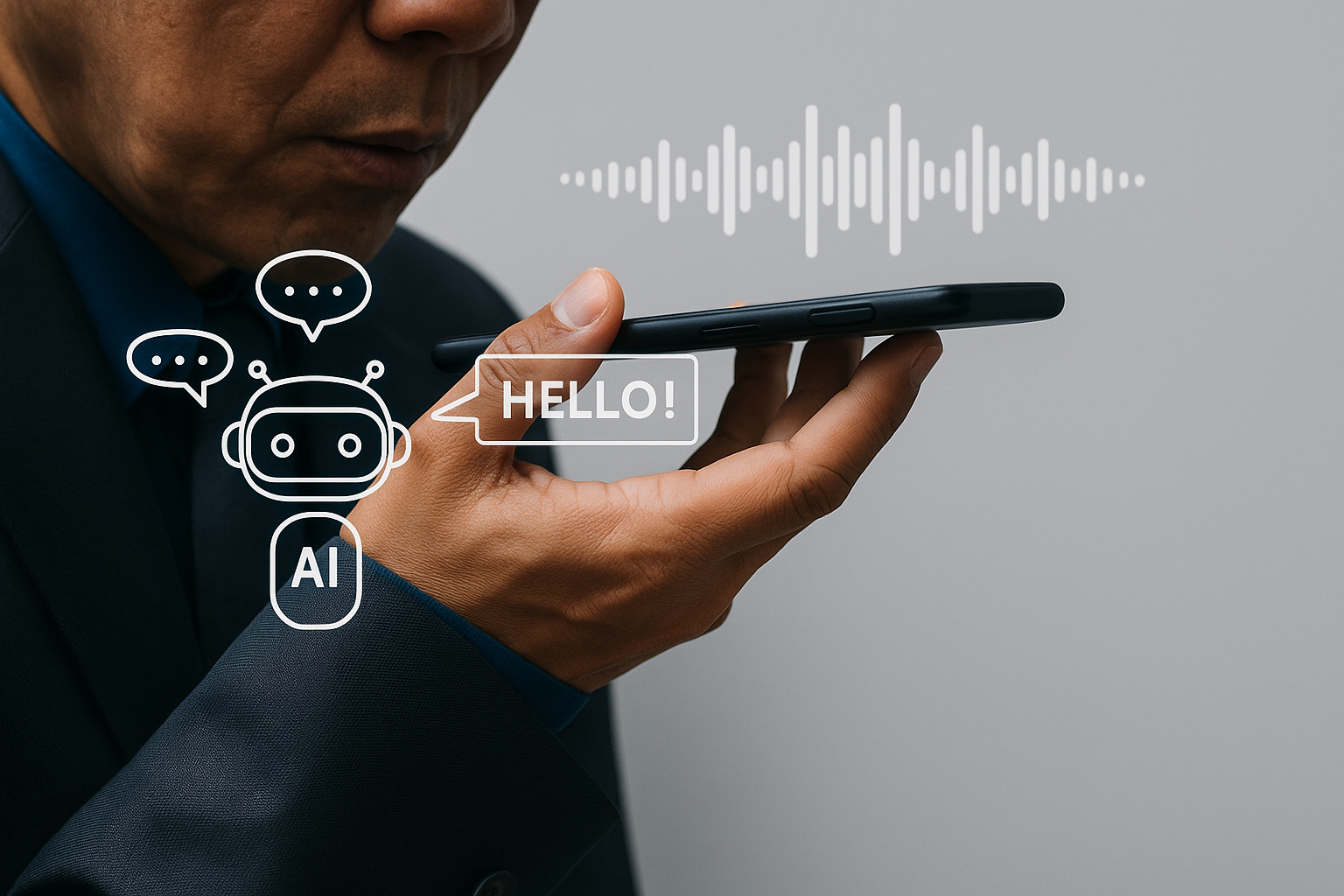

Artificial Intelligence or AI is a buzzword & everyone knows about it, right? It is the advancement in technology that is going to break barriers and go beyond our imaginations in today’s world. The future of AI in the next 5 years is promising and groundbreaking. It is going to affect every industry. However, let us talk about the impact of AI on business operations and customer interactions. AI is becoming an essential part of business operations. Businesses across the globe are already leveraging AI-powered solutions like AI chatbots, AI voice assistants, and smart kiosks to enhance customer experiences and streamline workflows.
AI takeover in Australia is on the fast track. AI adoption is becoming more common, especially in customer handling and business operations is becoming more common. With increasing investments in AI research, the government supports many initiatives, and businesses are embracing AI-driven solutions. Industries like healthcare, real estate, and recruitment can leverage AI to revolutionise operations, improve efficiency, better customer engagement, and faster recruitment. As AI becomes more sophisticated, businesses that adopt it early will have a significant competitive advantage.
AI-Powered Business Operations: What to Expect by 2030
The coming five years are going to build the core part of the role of AI in business operations, automation, better customer engagement, and more crucial processes like decision-making. AI voice assistants, AI chatbots, and smart kiosks are already making an impact in various businesses. By the year 2030, these AI innovations will be more effective and impactful by expanding their capabilities.
Here are some predictions for the use of AI in Business Operations :
- AI Voice Assistants - Businesses will increasingly use AI voice assistants to handle customer queries, schedule appointments, and provide real-time assistance, reducing the need for human intervention in routine tasks.
- AI Chatbots - AI chatbots will evolve to handle more complex interactions, providing personalized customer support and even assisting in decision-making processes.
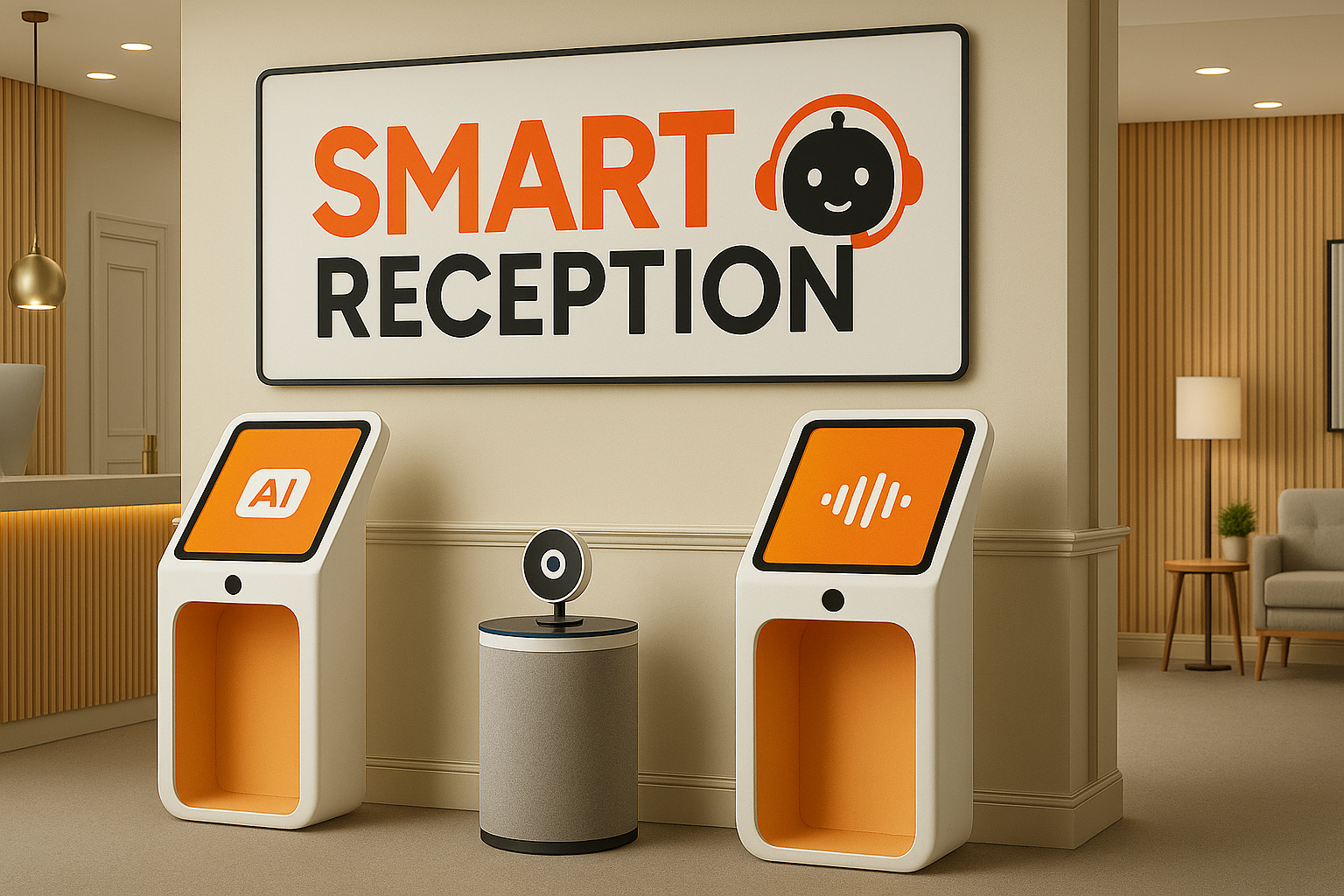
- Smart Kiosks - While not AI-powered, smart kiosks will play a key role in enhancing self-service options in various industries, from healthcare clinics to retail and real estate offices.
AI will not only improve efficiency but also help businesses make data-driven decisions, enhancing customer experiences and optimizing operational workflows.
The Future of AI in Healthcare: Smarter Patient Interactions
The healthcare industry needs constant assistance and availability. AI can help the healthcare professionals and clinics by improving patient care, streamlining admin tasks, and being available for the patients as well as medical emergencies. Here is how AI will reduce the burden of medical professionals:
- AI Voice Assistants in Healthcare - Over the next five years, AI voice assistants will become more prevalent in clinics and hospitals, handling patient inquiries, appointment scheduling, and follow-ups without human intervention.
- AI Chatbots for Medical Assistance - AI chatbots will play a crucial role in answering patient queries, providing instant responses to common medical concerns, and even guiding users on initial symptoms before a consultation.
- Touchscreen Kiosks in Clinics - Techno smart kiosks will simplify the check-in process, reducing waiting times and minimising administrative workloads for front-desk staff.
- AI-Driven Diagnostics - AI-powered tools will assist doctors in diagnosing diseases more accurately and predicting potential health risks based on patient data. By adopting AI-driven solutions, healthcare providers can ensure faster, more efficient, and more personalized patient care.
By adopting AI-driven solutions, healthcare providers can ensure faster, more efficient, and more personalized patient care.
AI in Real Estate: A More Efficient Property Market
The real estate industry is transforming with the help of AI solutions. AI is making an impact by effective property transactions and customer-friendly communications. Over the next five years, AI will significantly impact property management, sales, and customer interactions.
- AI Chatbots for Property Inquiries - AI chatbots will provide instant responses to property-related queries, guiding potential buyers and tenants through listings and scheduling property visits.
- AI Voice Assistants for Customer Engagement - AI voice assistants will handle follow-ups, appointment confirmations, and personalised recommendations based on customer preferences.
- Smart Kiosks in Real Estate Offices - Touchscreen kiosks will display property listings, allowing customers to explore options independently before consulting an agent.
- Predictive AI for Market Analysis - AI will assist real estate professionals in predicting market trends, property values, and investment opportunities, enabling smarter decision-making.
AI will not only make real estate transactions faster but also enhance customer satisfaction and boost business efficiency.
The Role of AI in Recruitment: Transforming Hiring Processes
Recruitment is one of the industries that will see significant AI-driven changes in the next five years. AI is already improving candidate screening, interview scheduling, and hiring decisions, and these advancements will only accelerate.
- AI Chatbots for Job Applications - AI-powered chatbots will assist job seekers by answering questions, guiding them through application processes, and even pre-screening candidates based on predefined criteria.
- AI Voice Assistants for Interview Scheduling - AI voice assistants will automate interview scheduling, reducing the administrative burden on recruiters and speeding up the hiring process.
- AI-Powered Candidate Analysis - AI will analyse resumes, assess candidate skills, and predict job compatibility using advanced algorithms, leading to better hiring decisions.
- Integration with HR Platforms - AI solutions will seamlessly integrate with HR software, automating tasks like onboarding, payroll management, and employee performance tracking.
With AI streamlining recruitment processes, businesses can find and hire the right talent more efficiently while improving the candidate experience.
The AI Revolution in Australia and the World
As AI adoption accelerates globally, Australia is positioning itself as a leader in AI innovation and responsible AI development. The next five years will see continued investment in AI research, policy-making, and business applications.
- Government Support for AI - The Australian government is investing in AI research and ethical AI implementation to ensure responsible and effective use of the technology.
- Growth of AI in Small and Large Businesses - More businesses, from startups to multinational corporations, will integrate AI solutions to enhance their operations and customer engagement.
- Global AI Trends - AI will continue to advance with breakthroughs in machine learning, automation, and AI-driven decision-making, influencing businesses worldwide.
- Australia’s AI Future - To remain competitive, Australian businesses must embrace AI-powered tools such as AI chatbots, AI voice assistants, and self-service kiosks to stay ahead in their respective industries.
By staying informed about AI developments and adopting AI-driven strategies, businesses in Australia can ensure long-term success in an increasingly AI-powered world.
AI is set to transform business operations over the next five years, making them more efficient, intelligent, and customer-centric. In Australia, industries like healthcare, real estate, and recruitment will see AI-driven advancements that enhance service delivery and streamline operations.
Businesses that embrace AI-powered solutions—such as AI voice assistants for customer interactions, AI chatbots for instant support, and smart kiosks for self-service—will gain a competitive edge. As AI technology continues to evolve, companies that take proactive steps toward AI integration will be best positioned for success in the future. Now is the time for businesses to invest in AI-driven solutions and prepare for the next wave of technological transformation.