

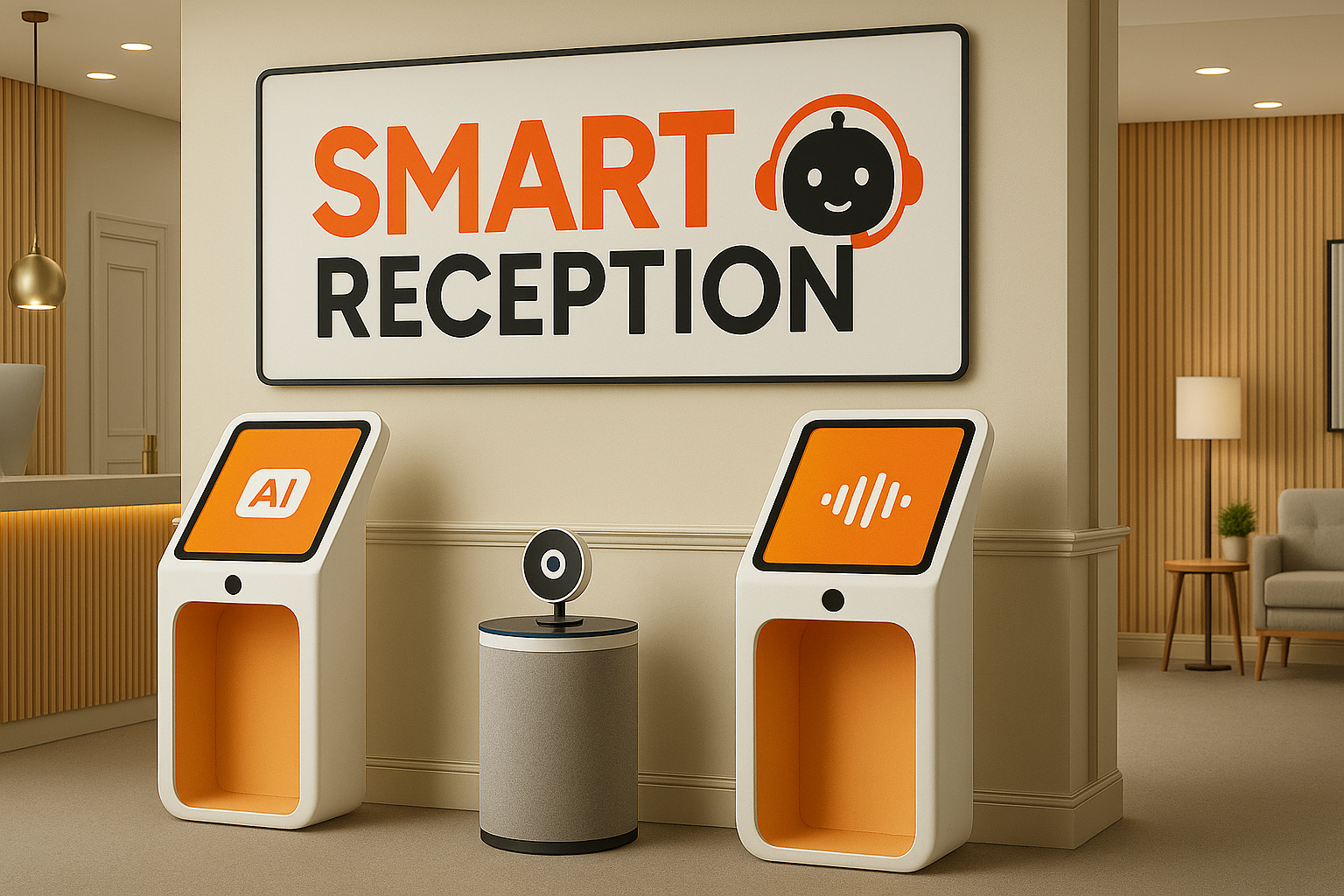

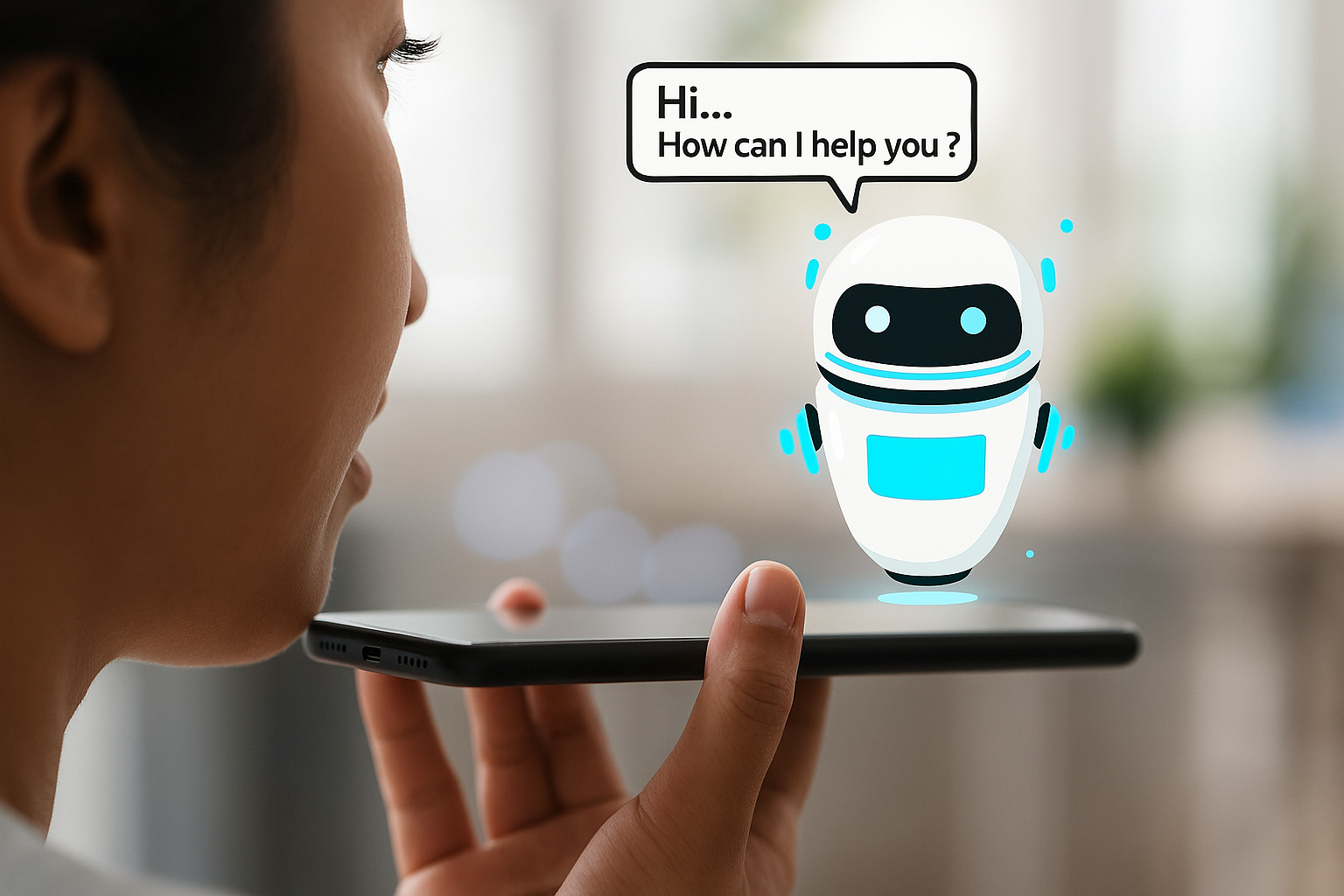
The front desk of a clinic is more than just a reception area. It’s the first point of contact for patients—an essential bridge between clinical care and a great patient experience. But with growing patient volumes, increasing administrative responsibilities, and staff shortages in healthcare, front-desk teams are often stretched thin. That is when the AI Voice Assistants can be of great help
These intelligent tools are becoming a game-changer for modern healthcare clinics. But unlike common fears about AI replacing jobs, these assistants are here to enhance, not eliminate, the work of your staff. They help clinics become more
efficient, responsive, and patient-friendly—without compromising on the human touch.
So, how exactly can an AI voice assistant transform your clinic? Let’s take a closer look.
1. Tackling the High Volume of Calls—Without Missing a Beat
In a busy clinic, missed calls are inevitable—but they shouldn’t be. Each missed call might mean a lost appointment, a patient in need left waiting, or valuable time spent on call-backs later. Sometimes, it could also be an emergency call.
An AI voice assistant can manage multiple calls at once, ensuring that no patient is left hanging. It can:
- Answer calls 24/7
- Book, reschedule, or cancel appointments
- Provide directions or clinic hours
- Handle basic medical service queries
And all of this happens instantly, even during peak hours or after-hours. It will reduce the extra workload for the reception staff. Moreover, the AI voice assistant can transfer the call to a responsible human whenever required.
Bonus: It reduces the pressure on your front-desk staff, allowing them to focus on patients physically present in the clinic.
2. Freeing Up Time for Front-End Staff
Receptionists wear many hats. From welcoming patients to managing appointments, from processing paperwork to answering phones, and providing support to clinical staff, they have to do it all. With so much on their plate, multitasking can lead to errors, delays, or frustration for both staff and patients.
AI voice assistants take over the repetitive, time-consuming tasks like:
- Answering FAQS (e.g., “What’s the consultation fee?” or “Do you bulk bill?”)
- Sending out reminders and confirmations
- Directing patients to the right department or practitioner
By automating these routine interactions, your front-desk staff can focus on what they do best—creating a warm, calm, and helpful environment for patients.
3. Improving Patient Experience from the First Call
First impressions matter, especially in healthcare. A long wait time on a phone call or being asked to repeat information can leave patients feeling frustrated or uncared for.
AI voice assistants deliver:
- Prompt, consistent, and polite responses
- No waiting on hold
- Immediate answers to common questions
- Multilingual support for diverse patient bases
This means patients feel acknowledged and supported right from their first interaction, setting the tone for a positive healthcare experience.
4. Reducing Human Errors in Appointment Scheduling
Manual appointment bookings—especially during busy hours—can lead to errors like double bookings, missed updates, or lost information.
AI voice assistants can integrate with your existing booking systems and ensure:
- Book appointments at any hour
- Get urgent care contact information
- Receive answers to non-clinical questions like hours, location, or services
This 24/7 availability not only enhances patient convenience but also positions your clinic as responsive and patient-centric.
5. Supporting After-Hours Availability
Healthcare needs don’t stick to business hours, and many patients call clinics after hours for information or urgent appointments.
With an AI voice assistant, your clinic can remain “open” even when it’s physically closed. Patients can:
- Accurate appointment scheduling
- Real-time availability checks
- Instant confirmation messages to patients
No more miscommunications or overbooked calendars—just smooth, reliable scheduling, every time.
6. Personalised Interactions Through Smart Learning
AI voice assistants used in modern clinics are not static bots reading scripts—they learn and adapt. With each interaction, they get smarter, more accurate, and more aligned with your clinic’s tone and workflow.
They can:
- Recognise repeat callers
- Offer customised responses based on patient history
- Escalate complex cases to human staff instantly
The result? A professional, yet personalised experience for your patients—and better efficiency for your team.
7. Boosting Staff Morale and Reducing Burnout
Front-desk burnout is a real issue in healthcare. Long hours, high stress, and emotional labour can take a toll.
By automating the most draining parts of the role, AI voice assistants give your team breathing space. They’re not constantly switching between tasks or overwhelmed by ringing phones. Instead, they can focus on meaningful patient interactions and teamwork, leading to higher morale and job satisfaction.
8. Meeting Compliance and Consistency Standards
In the healthcare industry, communication must be clear, compliant, and consistent—especially when dealing with sensitive topics like appointment reminders, patient confidentiality, and medical services.
AI voice assistants follow preset protocols, ensuring that:
- Patients receive the same correct information every time
- Scripts stay aligned with industry regulations
- Language remains professional and courteous
This helps maintain a high standard of service, especially in clinics with rotating staff or multiple locations.
9. Scalable for Clinics of All Sizes
Whether you run a solo GP practice or a multi-specialty clinic, AI voice assistants are designed to grow with you.
- Small practices benefit from reduced admin burden and round-the-clock support.
- Mid-sized clinics improve patient call management and reduce no-shows.
- Large healthcare groups maintain consistency across departments and locations.
You don’t need to overhaul your systems. TechnoSmart AI solutions are built to seamlessly integrate with your existing workflow.
The Bottom Line: Empower Your Front Desk—Don’t Replace It
AI in healthcare isn’t about replacing the human touch—it’s about enhancing it.
At TechnoSmart, we believe that AI voice assistants are here to support front-line staff, not replace them. By taking care of the routine, repetitive tasks, they allow your team to do more of what truly matters—connecting with patients, managing the flow of the clinic, and delivering great care.
In an industry where every interaction counts, that’s a transformation worth considering
Want to See It in Action?
Curious about how an AI voice assistant would work in your clinic? Whether you’re aiming to reduce wait times, improve patient satisfaction, or ease the burden on your team, TechnoSmart can help. Let’s talk about building a smarter, more efficient front desk for your clinic.